Bedding · Fabric & Care
Organic Cotton Sateen: How to Assess Comfort, Care, and Certifications
Smooth to the touch, softly luminous, and still made from breathable cotton, organic cotton sateen can sound like the best of several bedding worlds. But a label alone cannot tell you how a sheet will feel on your bed—or whether it will fit, launder, and wear the way you expect. Here’s what to look for before choosing a set, including how to read organic claims and care details with confidence.
It’s easy to picture the difference between a crisp hotel-style sheet and one with a smooth, almost silky hand. That contrast often comes down to weave. Sateen is a cotton fabric construction that creates a smoother face and subtle sheen; “organic” describes how the cotton is grown and processed under a defined standard. The two terms answer different questions, and neither guarantees that every sheet will feel or perform the same.
Fiber quality, yarn, finishing, sewing, mattress fit, and laundry habits all contribute to the experience. If you are comparing organic cotton sheets, take a moment to examine the full specification rather than allowing a high thread count or a polished product name to make the decision for you. A reliable choice is the one that suits your preferences and your practical routine.
First, separate the fiber from the weave
Organic cotton sateen is best understood as two pieces of information. Organic cotton refers to the fiber’s agricultural and processing standards, depending on the certification or claim being used. Sateen refers to how the yarns are interlaced to make the fabric. One describes sourcing and production; the other describes construction and helps shape the surface feel.
In a common sateen structure, yarns pass over multiple yarns before going under one. That arrangement exposes more of the yarn on the fabric’s face, contributing to a smooth surface and gentle luster. Cotton sateen is not silk: it remains a cotton fabric, with the familiar qualities and care considerations of cotton, though its hand can feel more fluid and polished than many plain-weave cottons.
“Sateen” can also be confused with “satin.” Satin usually refers to a weave structure made with filament fibers such as silk or synthetic materials, while sateen commonly refers to a similar surface effect made with spun yarns, often cotton. Product labels vary, so check the stated fiber content instead of relying on the name alone.
What sateen feels like—and what it does not promise
Many sleepers choose sateen for its smooth, soft hand and understated sheen. Compared with a crisp percale, sateen often feels less matte and more drapey. Some people like the way it feels against the skin; others prefer the lighter, crisper sensation of a plain weave. Comfort is personal, and a weave preference can be more useful than a claim that one fabric is universally better.
Cotton can allow air and moisture to move through the fabric, but the actual sensation of warmth depends on more than the fiber. Fabric weight, yarn size, density, finishing, room temperature, sleepwear, and the sleeper all play a part. A heavier or more closely woven sheet may feel different from a light one even when both are described as cotton sateen.
Sateen’s smoother face can also show creases or surface wear differently from a crisp percale. That is not automatically a defect. Look for clear care instructions and consider how much ironing, folding, or visible wrinkling matters to you. If you love a neat, glossy-looking bed, you may welcome a smoother finish; if you prefer a relaxed, rumpled look, the finish may be less important.
Organic certification: read the claim, not just the word
“Organic” is meaningful when it is supported by a credible, applicable standard and transparent documentation. A certification mark can help shoppers understand how a product has been assessed, but the exact scope matters. Some standards address the fiber and agricultural practices; others also set requirements for processing, chemical inputs, environmental management, or social criteria. Do not assume that every organic label covers every stage of production in the same way.
GOTS, the Global Organic Textile Standard, is a widely recognized textile certification. It includes requirements related to certified organic fibers and sets criteria for processing and manufacturing across the supply chain. If a sheet is described as GOTS certified, look for the certification information on the product or brand documentation. For a particular product, the claim should be traceable to the relevant certified business or product scope, rather than resting on a vague statement about the company’s general practices.
Certification is not a comfort rating. It does not tell you whether a sheet will feel cool, soft, crisp, or silky, and it does not replace practical details such as size, pocket depth, construction, and care. Think of it as one useful piece of evidence about sourcing and production—not a shortcut around evaluating the whole product.
It is also worth distinguishing a certified organic claim from broad language such as “natural,” “eco-friendly,” or “responsibly made.” Those phrases may describe a brand’s intentions, but without a named standard or clear explanation, they can be difficult to compare. Look for the certification name, what part of the product it applies to, and any available certificate or license details.
Thread count and fiber quality: look beyond the headline number
Thread count is the number of threads in a square inch of fabric, though counting conventions can vary. It is one specification, not a direct measure of softness or durability. A higher number does not automatically mean a better sheet: yarn quality, weave, finishing, and honest manufacturing practices also matter. Extremely large thread-count claims can be difficult to interpret when the method behind the number is not explained.
Fiber length is another detail shoppers may encounter. Long-staple cotton fibers can be spun into smooth, strong yarns, but the phrase alone does not guarantee a particular feel or lifespan. The final fabric depends on how the fibers are spun, woven, finished, and sewn. When comparing two sheets, consider the complete description rather than treating one attribute as a verdict.
For everyday decision-making, ask practical questions: Is the fabric described as lightweight or substantial? Is the weave sateen or percale? Does the maker give specific washing instructions? Are mattress dimensions and pocket depth listed? Clear, specific answers make it easier to anticipate how the sheet will fit into your home.
Assessing Sleep and Beyond’s organic cotton sateen set
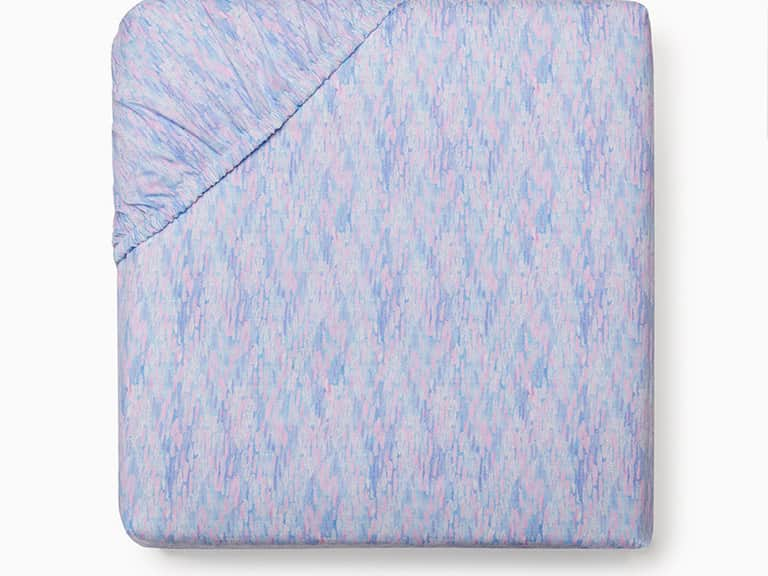
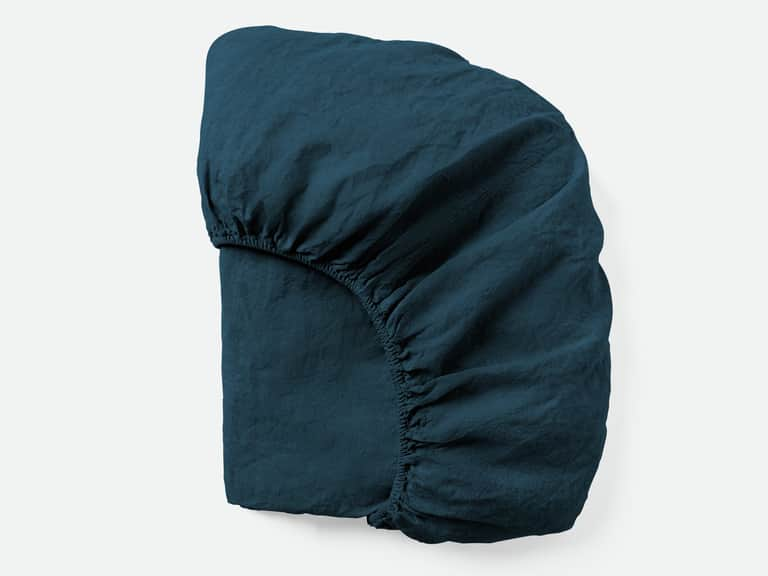
The Sleep and Beyond Organic Cotton Sateen Sheet Set is described as a 300-thread-count cotton sateen set made with GOTS-certified organic cotton. Its listed features include a smooth sateen finish, double-stitched corners, reinforced elastic, and fitted-sheet pockets designed to accommodate mattresses up to 18 inches deep. Those are useful details to consider together: the certification speaks to organic standards, the weave helps set expectations for hand, and the corner and pocket specifications address fit.
The set is offered in several bed configurations, including a Split King option with two Twin XL fitted sheets. That can be especially relevant for an adjustable bed, where separate mattresses may move independently. Still, check the selected size and the current product specifications before ordering. A general product description cannot replace measuring your own mattress and verifying that the chosen set includes the right pieces.
The listed care information says the set is machine washable. As with any cotton bedding, follow the care label for the specific item and avoid assuming that every detergent, temperature, or drying method is suitable. If you are buying because of the organic certification, review the product’s certification details as well as the material description. That gives you a clearer picture of both the textile and the claim attached to it.
Fit is part of comfort: measure before you buy
A sheet can have appealing fabric and still be frustrating if its corners pull loose or its elastic strains against a thick mattress. Measure the mattress length and width, then measure its depth from the base to the top sleeping surface. Include any topper or pad that will remain under the sheet. If the product lists a maximum mattress depth, compare it with your complete setup rather than the mattress alone.
Pocket depth is not always presented in a uniform way. Some descriptions state the depth the fitted sheet is designed to accommodate; others may give the dimensions of the fabric pocket. When the wording is unclear, consult the manufacturer’s size information before purchase. A mattress near the maximum stated depth may also leave less fabric to tuck under the corners, especially if a topper adds bulk.
Elastic construction matters, too. Elastic around the full perimeter can help the sheet hold securely, while reinforced or double-stitched corners may support durability at a high-stress point. Neither feature guarantees a perfect fit on every mattress. If your bed has an unusual shape, split configuration, or extra-thick topper, prioritize a precise fit description and a suitable return policy.
Care that helps sateen stay comfortable
Good sheet care is less about complicated rituals and more about avoiding unnecessary wear. Start with the sewn-in label or the product’s specific directions. For cotton sateen, a gentle or regular wash cycle and low-heat drying may be appropriate when the maker allows them, but the recommended temperature can vary. When in doubt, follow the instructions for the exact set rather than a generic rule.
- Wash before first use. This removes handling residue and gives you an early sense of the fabric’s washed feel.
- Use a sensible load size. Overcrowding can restrict rinsing and create excess friction. Wash sheets with similar colors and fabrics.
- Choose detergent thoughtfully. Use the recommended amount; excessive detergent can leave residue. Avoid bleach unless the care label specifically permits it.
- Keep heat moderate. High heat and over-drying can stress cotton fibers and contribute to shrinkage or a rougher feel over time.
- Remove promptly. Taking sheets out soon after the cycle can reduce deep creasing. Smooth them as you fold or make the bed.
- Store them fully dry. Airflow and dry storage help prevent musty odors between uses.
Fabric softener is not automatically necessary. Some manufacturers advise against it because residue can build up or alter the hand of a fabric. If the care label says not to use it, follow that instruction. A clean wash and appropriate drying are usually a better starting point than adding products in hopes of making the sheet softer.
How to compare sateen with percale
For shoppers choosing between two popular cotton weaves, the simplest distinction is the surface experience. Percale uses a balanced plain weave and is commonly associated with a crisp, matte feel. Sateen’s weave exposes more yarn on the face, often giving it a smoother touch and a soft sheen. Both can be breathable cotton fabrics; the feel of a particular sheet depends on its weight, yarn, finishing, and construction.
Instead of asking which weave is best, ask what you enjoy at bedtime. Do you like a fresh, crisp surface, or do you prefer a smoother, more fluid drape? Do you mind wrinkles? Do you want a sheet that feels light and matte, or one with a subtle luster? Those preferences can narrow the choice more effectively than a thread-count contest.
Climate and sleep habits may influence your decision, but neither weave can promise a particular temperature for every person. If you tend to feel warm, compare fabric weight and construction and consider your bedding layers and room conditions. If softness is your priority, remember that new fabric may change with washing, and the first impression is only one part of long-term satisfaction.
A quick checklist for evaluating organic cotton sateen
Before committing to a set, run through a few straightforward checks. Together, they help turn an attractive description into a practical decision:
- Fiber: Is the sheet clearly identified as cotton, and is the organic claim specific?
- Certification: Is a recognized standard named, with enough information to understand what it covers?
- Weave: Is it sateen, percale, or another construction—and does that surface match your preference?
- Specifications: Are thread count, fabric weight, or other construction details provided without relying on one number as proof of quality?
- Fit: Do the listed dimensions, mattress size, and pocket depth suit your mattress with any topper included?
- Construction: Are elastic, corners, seams, and included pieces described clearly?
- Care: Can you follow the wash and drying instructions with your usual laundry routine?
The bottom line
Organic cotton sateen brings together a production claim and a fabric construction: organic describes how the cotton is grown and processed under a stated standard, while sateen describes the weave that can create a smooth, softly lustrous surface. Understanding that distinction makes it easier to evaluate comfort without expecting a label to tell the whole story.
Look at certification scope, fiber and weave details, pocket depth, elastic and corner construction, and the care label as one complete picture. A sheet that suits your preferences should feel right to you, fit your mattress securely, and be manageable to wash. Those everyday details—not a single headline claim—are what make bedding a good match for the long run.