Bedding Guide
Vintage Pink Silk Bedding: A Guide to Color, Feel, and Care
Vintage pink silk bedding pairs a gentle, characterful shade with silk’s smooth, fluid feel. Choosing it well means looking beyond color: fiber quality, fabric weight, mattress depth, and care requirements all shape how the sheet looks and performs in everyday use.
The appeal of vintage pink
Vintage pink is less vivid than bubblegum pink and warmer than a cool blush. Depending on the dye and the light in a room, it may read as dusty rose, muted mauve, antique pink, or a soft, slightly peachy neutral. That range is part of its appeal: the color can feel romantic without becoming overly sweet, and distinctive without dominating the bed.
Silk gives the shade another dimension. Its surface reflects light differently from a matte cotton percale or linen, so a pink silk sheet may appear subtly luminous in daylight and deeper or more subdued in the evening. The result is not necessarily a glossy, high-shine look. The impression depends on the silk’s finish, weave, weight, and the direction of the light.
For a calm bedroom palette, vintage pink can sit comfortably alongside ivory, warm white, taupe, soft gray, or natural wood. A deeper accent, such as charcoal or muted green, can add definition. If the rest of the bed is already patterned or colorful, pink silk can serve as a quieter layer. The key is to think of the color as part of the room’s overall balance rather than a standalone statement.
Color also looks different across screens, product photography, and physical fabric. A digital image may be affected by lighting, editing, and display settings, while the shade in a room changes throughout the day. If exact coordination matters, check the maker’s color description and return policy, and compare fabric samples when they are available.
What silk feels like against the skin
Silk is a natural protein fiber made by silkworms. In bedding, its smooth surface and fluid drape create a different experience from cotton or linen. Many sleepers describe silk as cool and sleek at first touch, though the feeling can vary with the room temperature, the fabric’s weight, and personal preference. It tends to move easily over the bed rather than holding a crisp, structured shape.
That smoothness is a central reason people consider silk sheets. It can feel appealing to sleepers who enjoy a soft, low-friction surface, and the fabric’s drape gives a bed a relaxed, polished appearance. Silk is also often described as temperature-regulating. In practice, comfort depends on more than fiber alone: the room climate, mattress, sleepwear, bedding layers, and individual sleep habits all matter.
Silk is not automatically the best choice for every household. Its care is more exacting than that of many everyday cotton sheets, and the fabric may be more vulnerable to abrasion, sharp objects, and unsuitable detergents. Someone seeking a crisp, matte finish or a sheet that can be washed with a routine mixed load may prefer another material. Knowing the trade-offs helps set realistic expectations before choosing silk.
It is also useful to separate the material’s feel from broad health or beauty claims. Silk bedding may feel smooth and comfortable, but a sheet should not be treated as a medical or skincare product. People with allergies, sensitive skin, or specific health concerns should consider their own needs and consult a qualified professional when appropriate.
Understanding silk weight and construction
Silk bedding is commonly described by momme weight, often abbreviated as “mm.” Momme is a traditional measure related to the weight and density of silk fabric. A higher momme number generally indicates a heavier fabric, but it does not, by itself, tell you everything about quality, softness, durability, or comfort. Fiber grade, weaving, finishing, and workmanship also influence the final result.
For example, a listing might describe a sheet as 19 or 22 momme. Those figures can help compare products within a similar type of silk, but they are not a universal guarantee that one sheet will feel better or last longer than another. Read the full specification, including the stated fiber content and care instructions. When details are missing, ask the seller what the measurement means for that particular item.
Weave and finish affect the hand of the fabric, too. Some silk sheets feel especially fluid and lustrous; others have a quieter sheen. A heavier fabric may feel more substantial, while a lighter one may drape more freely. Neither is automatically superior. The most suitable option depends on whether you prefer a light, delicate layer or a more substantial surface, as well as how carefully you are prepared to launder it.
Look for clear labeling that identifies the fiber as silk and explains any blends. A product described as “silky” may refer only to its feel and may not be made from silk. If natural silk is important to you, check the fiber-content statement rather than relying on promotional wording. Also review whether the listing describes a fitted sheet, flat sheet, or complete set; those terms refer to different items and contents.
A reliable fit starts with careful measuring
Even a beautiful sheet can be frustrating if it does not fit the mattress. Before choosing a fitted sheet, measure the mattress’s width and length and, especially, its depth. Include any mattress topper or pad that will remain underneath the sheet. A topper adds height, and a pocket that fits the mattress alone may be too shallow once the extra layer is in place.
“Pocket depth” usually refers to the depth of the fitted sheet’s corners, but manufacturers may describe measurements differently. Confirm how the measurement is taken and whether it includes extra fabric intended to tuck under the mattress. The fit should be deep enough to cover the mattress and topper without pulling the corners loose, but not so oversized that the fabric bunches across the sleeping surface.
Mattress dimensions can vary even when two beds share a familiar size name. Check the manufacturer’s measurements, particularly if the bed is an unusual size, an adjustable model, or an older mattress. For adjustable beds, verify that the fitted-sheet design is appropriate for the mattress’s movement and that the elastic construction is intended to help keep the sheet in place.
Silk’s drape can make accurate sizing especially important. Too little depth may strain the corners and seams; too much fabric may create folds. When a listing gives both the mattress size and pocket depth, compare both figures with your bed rather than relying on the size label alone. If you are between sizes or uncertain about the measurement, contact the seller before purchasing.
How vintage pink works with the rest of the bed
Because vintage pink sits between a color accent and a soft neutral, it can be styled in several ways. Pairing it with white or ivory keeps the bed light and lets the pink remain visible without overwhelming the room. Cream, sand, and pale beige create a warmer, more layered look. Gray can make the color feel quieter, while dark brown or charcoal brings out its depth.
Texture helps keep a restrained palette from feeling flat. A smooth silk sheet can be combined with a matte duvet cover, a lightly textured blanket, or cotton pillowcases. Mixing materials can also be practical: silk may be reserved for the sheet or pillowcases, while easier-care fabrics provide the remaining layers. Before combining pieces, consider how they will be washed and whether their colors are likely to transfer.
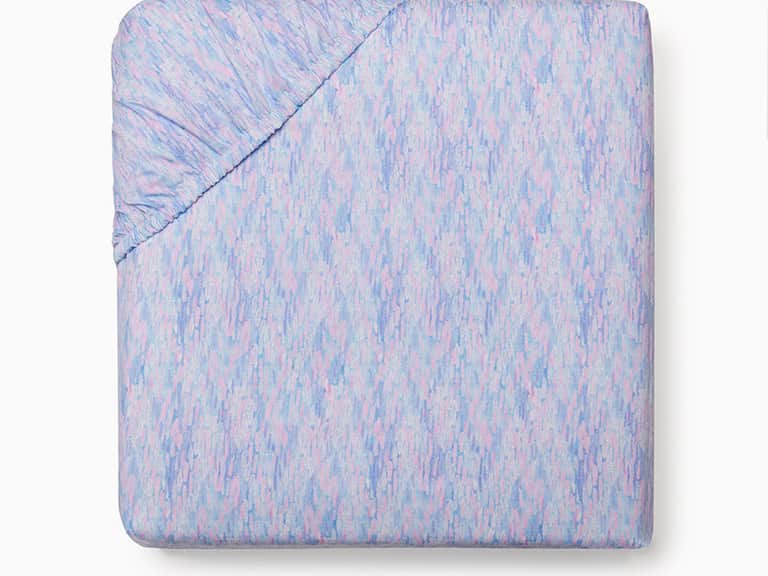
Patterns can work, too, but scale matters. A small, subtle print in a related tone may complement vintage pink, while a bold multicolor design could compete with it. If you want the shade to be the focal point, keep other elements comparatively simple. If the room already has a strong palette, treat the sheet as one supporting note among several rather than trying to match every accessory exactly.
Lighting is part of the styling equation. Warm bulbs can make pink appear more peach or rose, while cooler daylight may bring out gray or mauve undertones. Look at the bedding in the room at more than one time of day before choosing coordinating colors. A combination that seems balanced in a bright showroom or on a phone screen may feel different under bedroom lighting.
Silk bedding care: gentle routines matter
Always start with the care label for the specific sheet. Silk products are not all finished or constructed in the same way, so there is no single washing routine that applies to every item. If the label recommends professional cleaning or hand washing, follow that instruction. When machine washing is permitted, use the gentlest suitable cycle and a cool or low-temperature setting as directed by the maker.
A mild detergent formulated for delicate fabrics can help avoid unnecessary harshness. Avoid bleach and use fabric softener only if the care instructions specifically allow it; many silk makers advise against it. Wash silk separately from items with zippers, hooks, rough seams, or other details that could snag the fabric. A mesh laundry bag can offer an additional layer of protection when machine washing is permitted, though it does not replace the care label.
Air drying is often recommended for silk, but follow the product’s instructions. Avoid wringing or twisting wet fabric, which can stress fibers and seams. Instead, handle the sheet carefully and allow excess water to drain or be pressed out gently with a clean towel if the care guidance permits. Keep silk away from direct, prolonged heat and intense sunlight while drying, as these may affect the fabric or color.
If ironing is allowed, use the lowest setting recommended by the manufacturer and test an inconspicuous area first. Some silk may be easier to press when slightly damp, while other finishes require a different approach. A garment steamer may be suitable for certain products, but it should not be assumed safe for every silk sheet. When in doubt, consult the label or seller before applying heat.
For a spill, address it promptly without rubbing aggressively. Blot gently with a clean, absorbent cloth and follow the maker’s stain-care advice. Vigorous scrubbing, strong stain removers, and improvised treatments can leave a mark or damage the surface. If a stain is difficult or the fabric is valuable, a professional cleaner experienced with silk may be the safer option.
Protecting color and extending use
To help preserve vintage pink, wash the sheet with similar colors and avoid leaving it damp in a pile. Color can change over time for several reasons, including repeated washing, unsuitable detergents, heat, and exposure to strong sunlight. These risks vary by dye and finish, so the care label remains the best guide. A gentle, consistent routine is usually preferable to frequent experimentation with products or settings.
Between uses, store silk clean and fully dry in a cool, dry place. A breathable fabric storage bag or shelf can help protect it from dust and snagging. Avoid compressing it beneath heavy objects or storing it in a damp area. If the sheet has been kept in storage for a long time, check that it is clean and free of moisture before putting it back on the bed.
Rotating sheets gives each one time to rest between uses and laundering. Keep pets’ claws, jewelry, and rough surfaces in mind when handling delicate bedding, since snags may be difficult to repair invisibly. These small habits are not a guarantee against wear, but they can help reduce avoidable strain on the fabric.
A practical checklist before choosing
- Confirm the fiber: Check the stated composition to ensure the sheet is silk rather than simply described as silky.
- Compare the weight: Use momme information as one point of comparison, not a complete measure of quality or comfort.
- Measure the bed: Include the mattress topper and verify the fitted sheet’s pocket depth and dimensions.
- Read the care label: Make sure the recommended washing and drying routine suits your household.
- Consider the shade: Vintage pink can shift in appearance with lighting, neighboring colors, and screen settings.
- Check what is included: Confirm whether you are choosing a fitted sheet alone or a set with additional pieces.
- Plan for daily use: Consider how the fabric’s smooth feel, delicate handling, and care needs fit your preferences.
These details are more useful than relying on a single headline claim. A sheet’s suitability is a combination of color, construction, fit, feel, and care. Taking a few minutes to check specifications can prevent common disappointments, such as a shade that clashes with the room, corners that pull free, or a laundry routine that is too demanding.
Frequently asked questions
Does vintage pink silk look shiny?
It can have a gentle sheen, but the degree of shine depends on the silk, weave, finish, and lighting. Some fabrics appear more luminous, while others look more subdued. Product descriptions and samples, when available, can help set expectations, though the color may still look different in your own room.
Is a higher momme weight always better?
No. Momme weight describes one aspect of the fabric, not every measure of quality or comfort. A higher number may indicate a more substantial silk, but the best choice depends on your preferred feel, the construction, the care instructions, and how the sheet will be used.
How do I stop a fitted silk sheet from slipping?
Begin by checking the mattress and topper measurements against the sheet’s stated size and pocket depth. A sheet that is too shallow can pull loose, while excess fabric can bunch. Follow the maker’s fitting instructions and avoid accessories or fasteners unless they are compatible with the product and recommended by the manufacturer.
Can I wash silk bedding in a washing machine?
Some silk sheets allow machine washing on a delicate cycle, while others require hand washing or professional care. Check the label before washing. If machine washing is allowed, use the specified temperature and detergent, and keep the item away from rough or snag-prone garments.
Will vintage pink coordinate with white bedding?
Usually, yes. White and ivory create a simple backdrop that lets pink stand out gently. The exact effect depends on whether the pink leans warm, cool, or muted, so compare undertones where possible and consider how the room’s lighting changes the color.
A considered choice, not just a pretty color
Vintage pink silk bedding can bring softness and personality to a bedroom, but its appeal is strongest when the practical details work just as well as the palette. Check what the fabric is made of, understand the stated weight, measure the mattress carefully, and read the care instructions before deciding. Those steps help ensure the sheet suits both the bed and the routine of the person using it.
When color, fit, and care are aligned, silk can offer a smooth, fluid layer with a quietly distinctive look. Vintage pink does not have to transform an entire room to make an impression. Sometimes its charm is precisely that: a warm, subtle note that feels considered, comfortable, and easy to live with.